Trusted by brands, banks & governments






Several of these have extremely serious procurement departments. We passed.
…and the agencies & consultancies running it as their own





White-label ready. Full access for 30 days.
Give your whole team the four-layer gimmefy stack for 30 days: AI models, Context, Capabilities, and Governance & Collaboration. Pick a usage budget, test it on real work, and decide after 30 days.
No setup fee. No onboarding fee. No fixed platform fee. No long-term commitment.
MCP included: use gimmefy context and capabilities from ChatGPT, Claude, Gemini or any compatible AI client. See the setup guide →
Google for Startups Cloud Program · IMDA tech company profile · trusted by DBS · Singtel · Unilever · Volvo
Bring the whole company in — workspaces, roles, audit trails, projects, white label and MCP access. No per-seat, no per-workspace fees.
Solve what chat can't: video, visuals, motion graphics, dashboards, Beacon visibility and multi-agent campaign playbooks.
Brand Vaults, Pulses and Personal Vaults keep every brand, client and person loaded into every output.
One usage-priced subscription replaces the pile. Auto-routed, always current — your AI spend stops multiplying.
Four layers. One stack.
Give your team the four-layer gimmefy stack for real work: AI models, Context, Capabilities, and Governance & Collaboration. No setup fee, onboarding fee, fixed platform fee or long-term contract. You pick a usage budget, pay only subsidized usage while you test, and decide after 30 days.
The stack is moving fast: new credibility signals, MCP access from the AI tools your team already uses, Beacon visibility reports, and a low-risk 30-day way to try it all.
We are part of the Google for Startups Cloud Program and listed in IMDA's public tech company directory.
Use ChatGPT, Claude, Gemini or your preferred AI client with gimmefy's context and capabilities inside.
See how your brand appears in AI answers, search and category conversations, then know what to fix first.
No setup fee, no fixed platform fee and no long-term commitment. Pick a usage budget and decide after 30 days.
Trusted by brands, banks & governments
Several of these have extremely serious procurement departments. We passed.
…and the agencies & consultancies running it as their own
Six AI subscriptions, twenty-one tabs, and not one of them knows your brand. Here's the damage, itemised.
Six AI tools, six invoices, each one per-seat. The cost climbs every quarter and finance has politely stopped asking.
Every chat starts from zero. The guidelines PDF gets pasted in for the 214th time — and the output still sounds like someone else's brand.
Only one person on the team gets good results. They're exhausted, they're the bottleneck, and they just got poached.
A campaign means 40 prompts across 5 tools. The week ends with a deck about which tools to buy — not marketing.
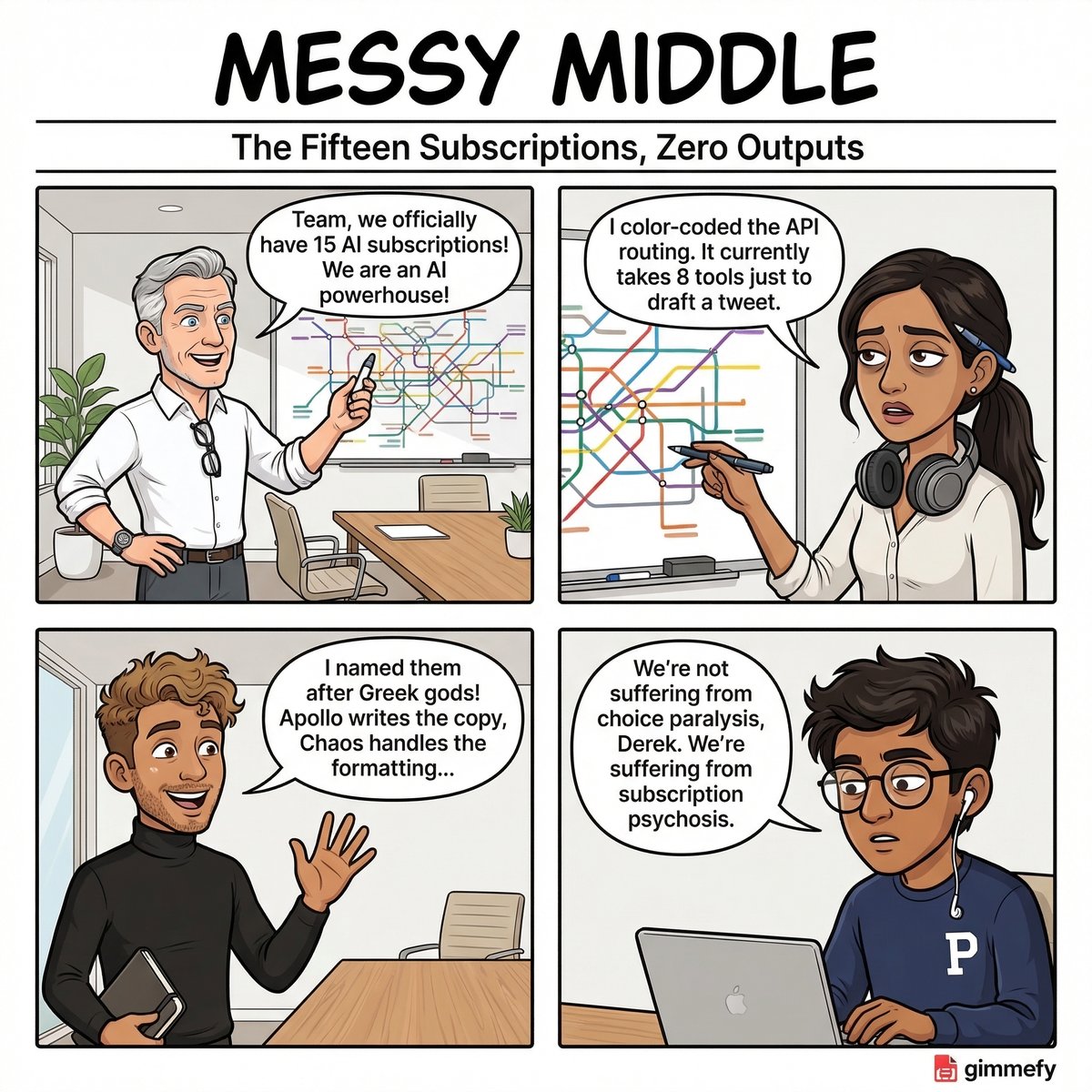
Not features — outcomes. Each layer of the stack pays for itself in a different way.
48 frontier models in one usage-priced subscription. The pile of overlapping tools — and their per-seat invoices — gets cancelled.
The best model is always the next one. We absorb that on your behalf — at no extra cost.
Brand Vaults, Pulses and Personal Vaults hold every brand, client, audience and person — then load that context into every output.
Even the intern in Timbuktu produces senior-level, on-brand work.
Eleven deep capabilities for every requirement: Beacon visibility, video, visuals, motion graphics, audio, dashboards — and playbooks where up to 20 agents attack the same problem at once.
A campaign becomes one workflow, not forty prompts across five tools.
Unlimited users — the whole company on board. Workspaces that isolate teams, brands and clients. Projects for real collaboration, with outside collaborators invited onto exactly what they need and nothing else. Roles, audit logs, 470+ security policies underneath.
No per-seat charges. No per-workspace charges. Shadow AI, gone.
For the limited 30-day stack test drive, there is no fixed platform fee, setup fee or onboarding fee. Unlimited users, unlimited workspaces, subsidized usage only.
Every client is asking "what's your AI story?" — and a tool list is not an answer. We give you a structured way to AI-enable your business, under your own brand. The threat becomes the stickiest thing you've ever sold.
The same platform, wearing your brand. Clients never see us.
How it works — four steps, no drama
Your logo, colours and domain on a working platform — in days, not quarters.
One vault per client. Voice, guidelines, products — absorbed once.
Unlimited users, governed workspaces, full audit trail. No shadow AI.
Your rate card, your bundles, your margin. We stay invisible.
Not a feature list — actual outputs, straight from the platform. Meet Licks & Rubs, a premium pet-care brand built end-to-end on gimmefy: films, brand identity, strategy debates, full campaigns. Every pixel below was generated, not designed.
This is the actual brief — written like a shot list — and the actual film it produced. No crew, no edit suite, no second take needed.
Logos, product shots, lifestyle, full ads, campaign characters that stay consistent shot after shot — across our brands and our partners' client work, every one generated with a Brand Vault loaded.
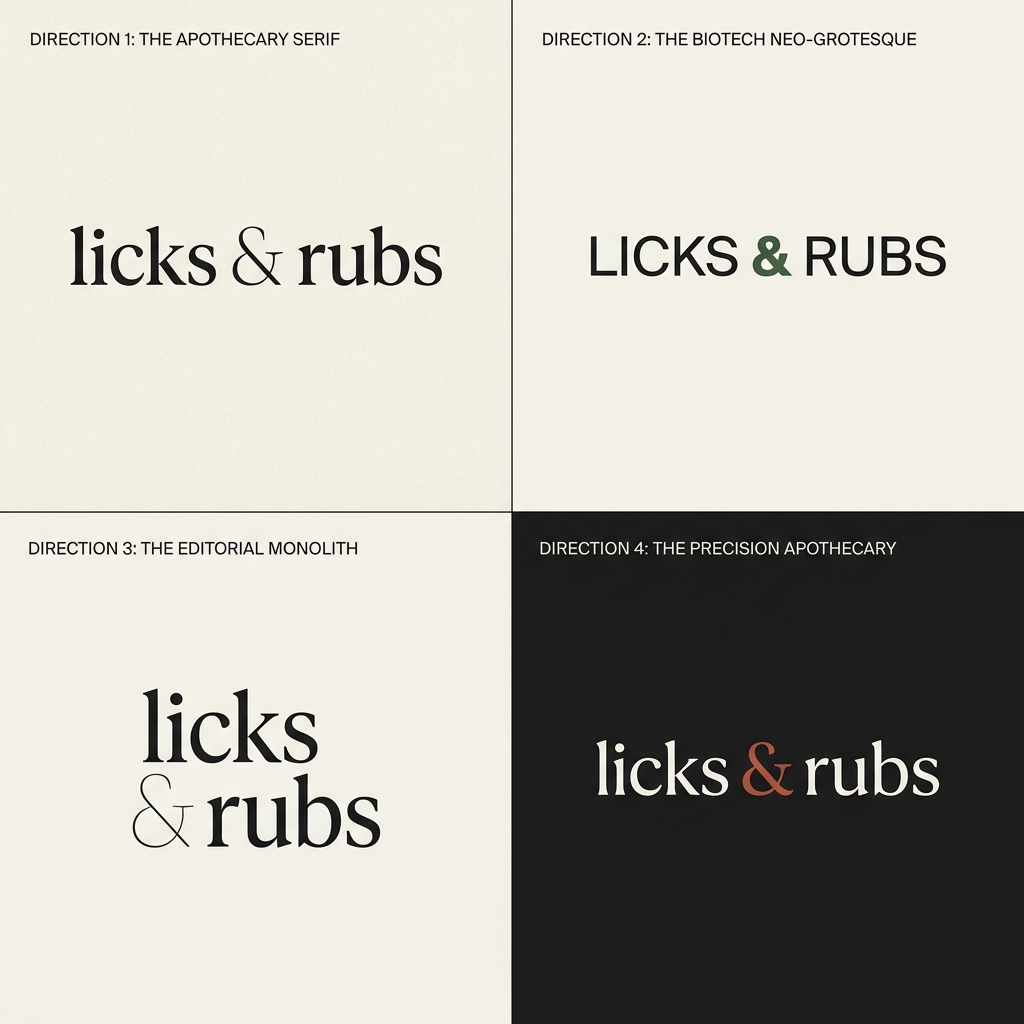 l&r · four wordmark directions, one pass
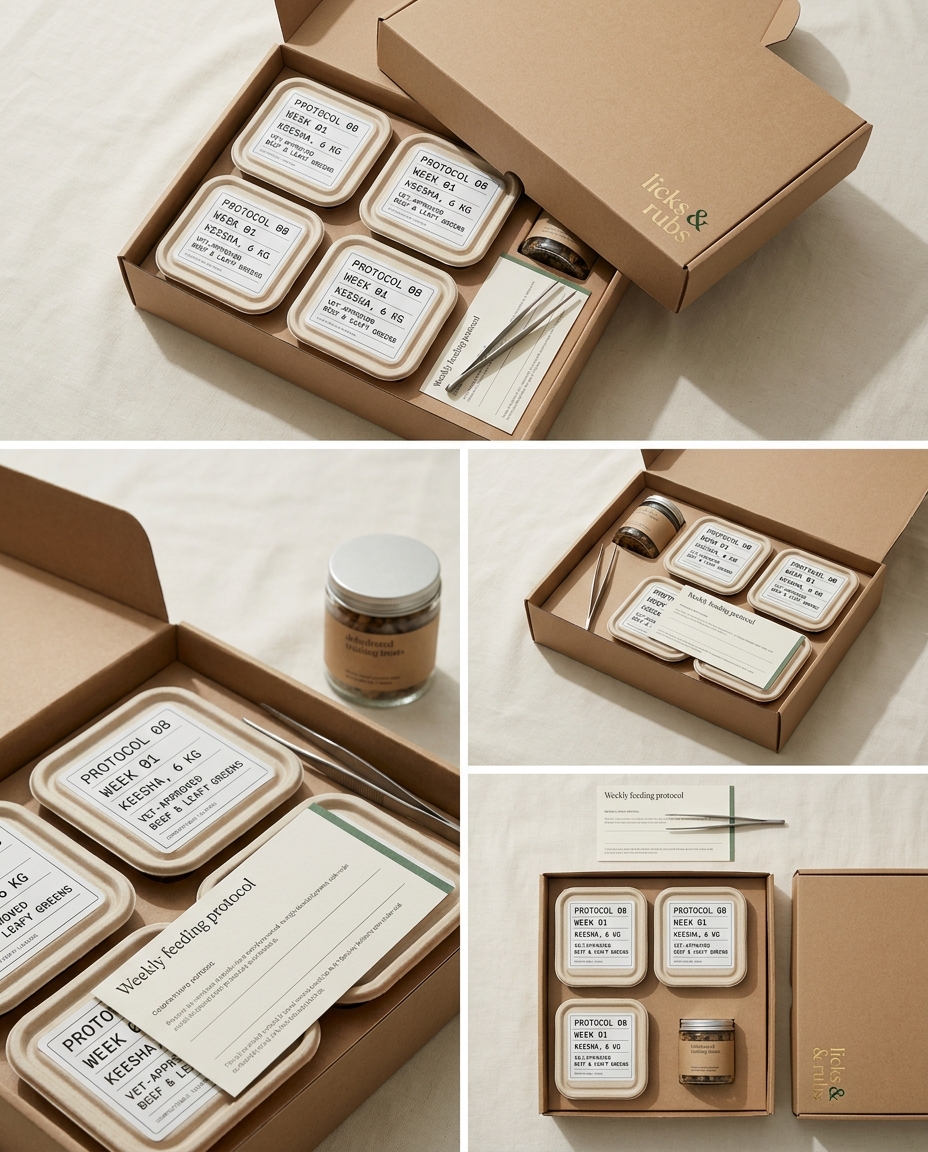 l&r · product photography
 l&r · lifestyle
 meerab · branded flat lay
 meerab · campaign visual, type included
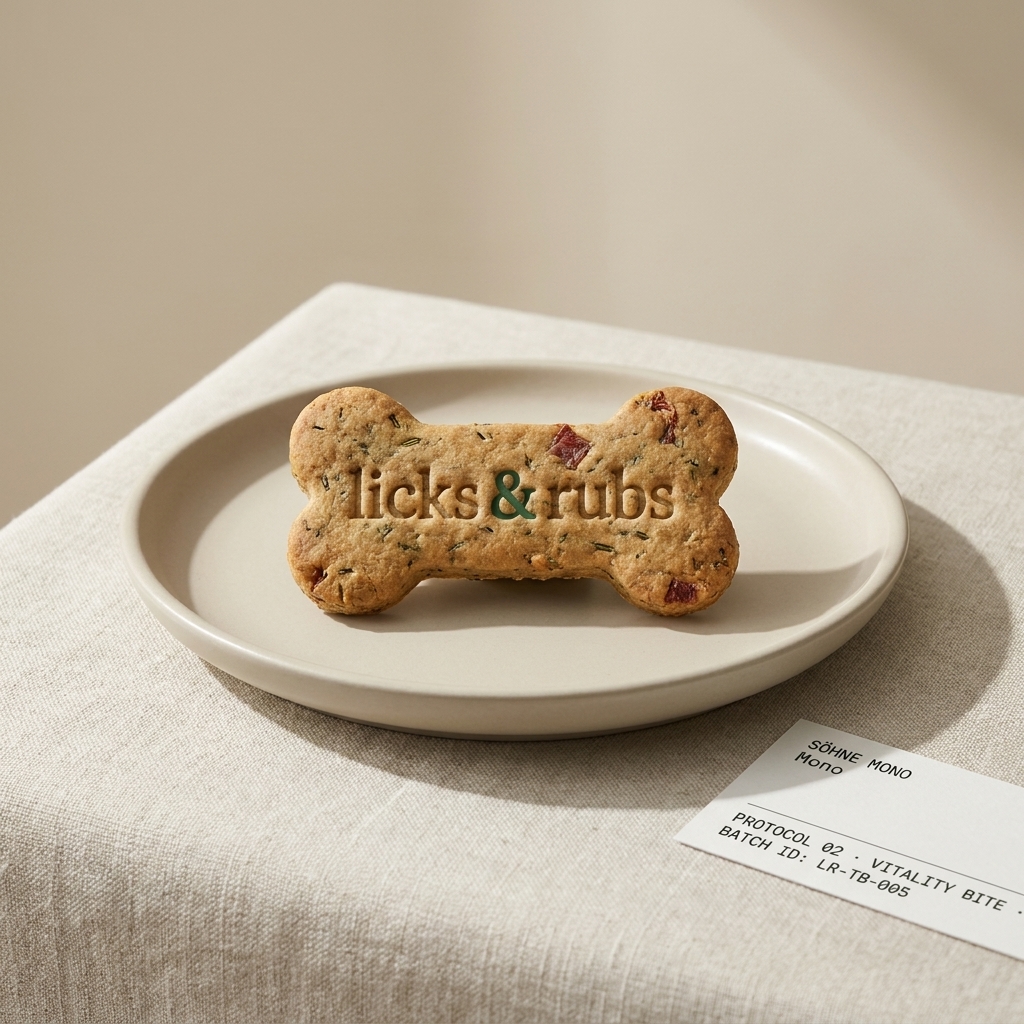 l&r · the product is the logo
 meerab · campaign key visual
 meerab · ad with type & pricing, generated
 nivāsa · full ad, kannada, people included
 nivāsa · faces sell. these are generated.
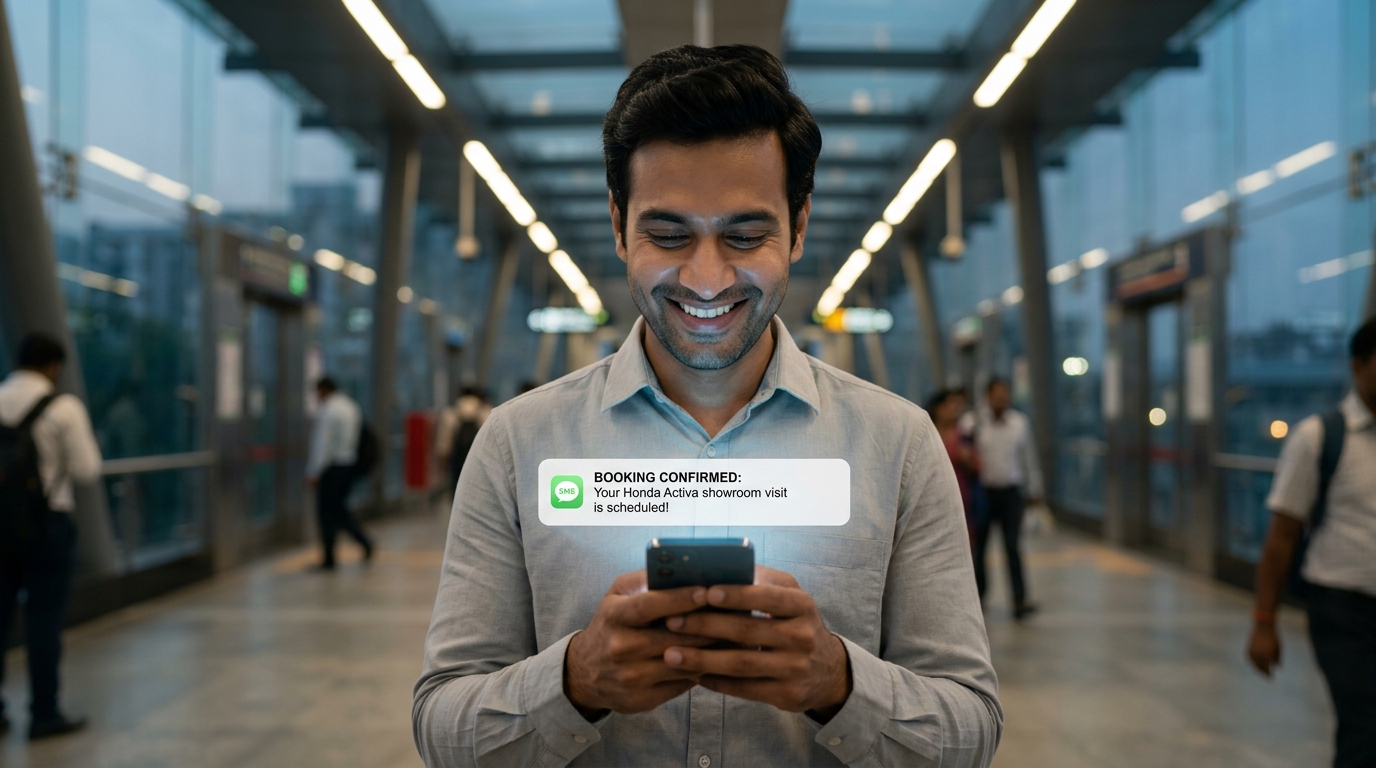 campaign character · scene one
 same face, scene two — consistency held
the hero shot
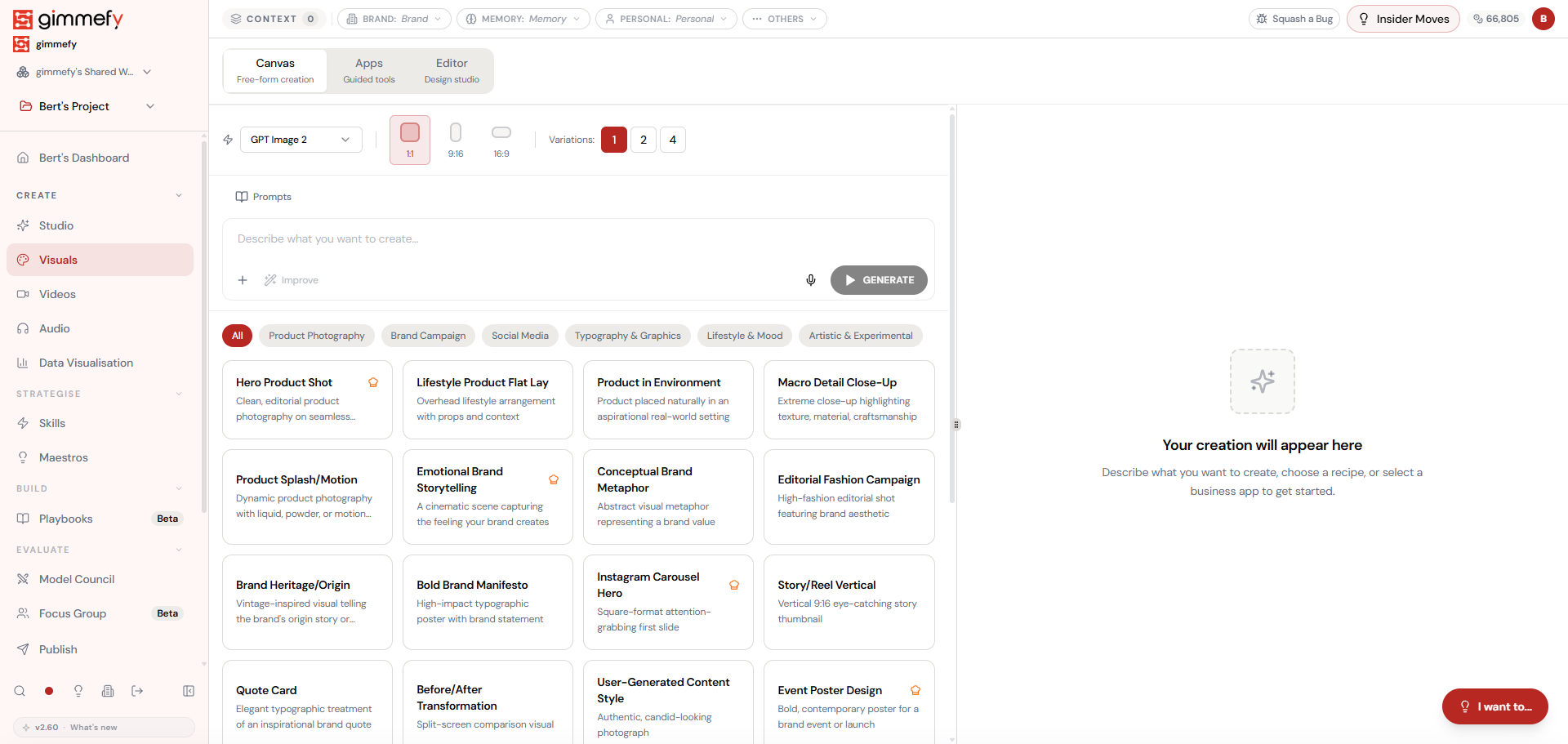
youtube · 16:9ig feed · 1:1storyig · 4:5linkedinx header · 3:1pinterestdisplay adbillboard
same face, scene two — consistency held
the hero shot
youtube · 16:9ig feed · 1:1storyig · 4:5linkedinx header · 3:1pinterestdisplay adbillboardNot crops — recompositions. The subject stays framed, the composition adapts, the brand survives every aspect ratio. Instagram, LinkedIn, TikTok, X, YouTube, Pinterest, display, OOH — one click.
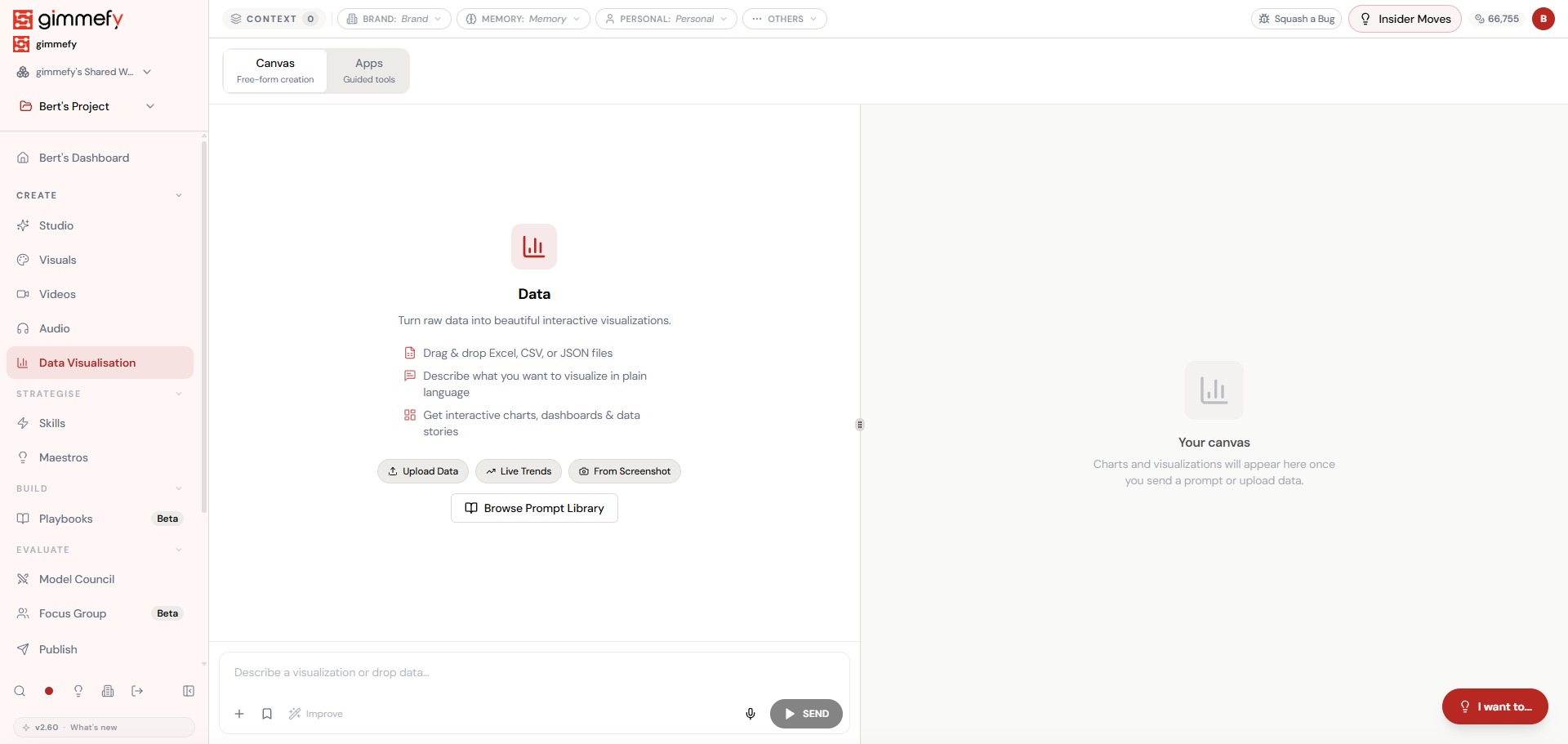
This is not a screenshot. It's the actual interactive HTML file the Data Viz Hub generated — brand palette, editorial headline and all. Hover it. Scroll it.
A 36-point retention gap between the vet-referred and paid-social cohorts at month 12 — found by the viz, not the meeting.
Beacon scans how a brand appears across AI answers, search, social conversations and category context, then turns the visibility gap into prioritized fixes for the marketing team.
Use it as the front door to the stack: scan the visibility gap, then use the rest of gimmefy to close it.
Clinical, considered, on-brand — generated for the product-reveal film you watched in Chapter 01. Voice, pacing and register all pulled from the Brand Vault.
Podcasts, jingles, ad reads, localised campaigns — one brand voice, every market.
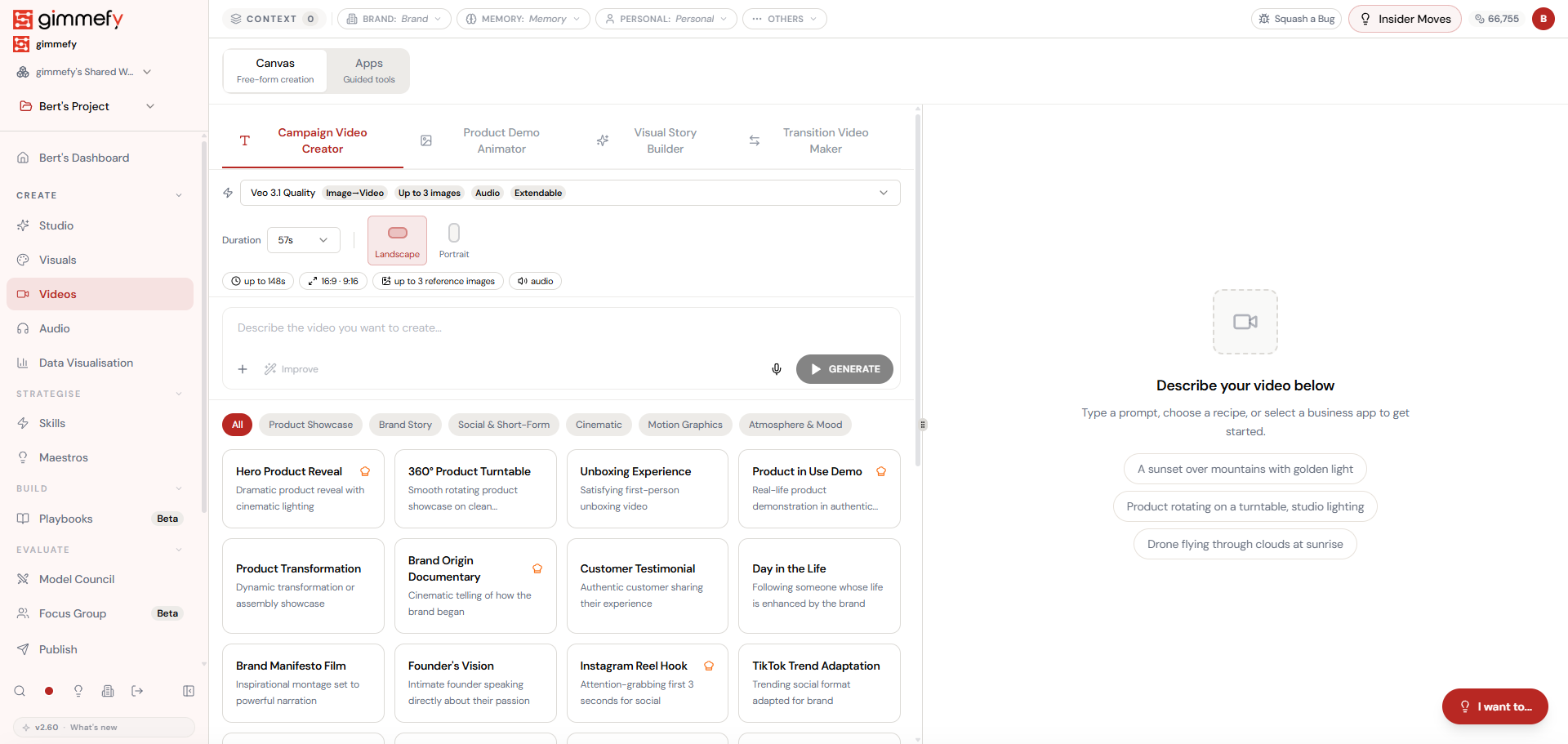
Pet care, fashion, housing finance, B2B, CPG — five very different businesses, five finished voiceover-synced films. Brief in, scenes composed, rendered. That's the whole workflow.
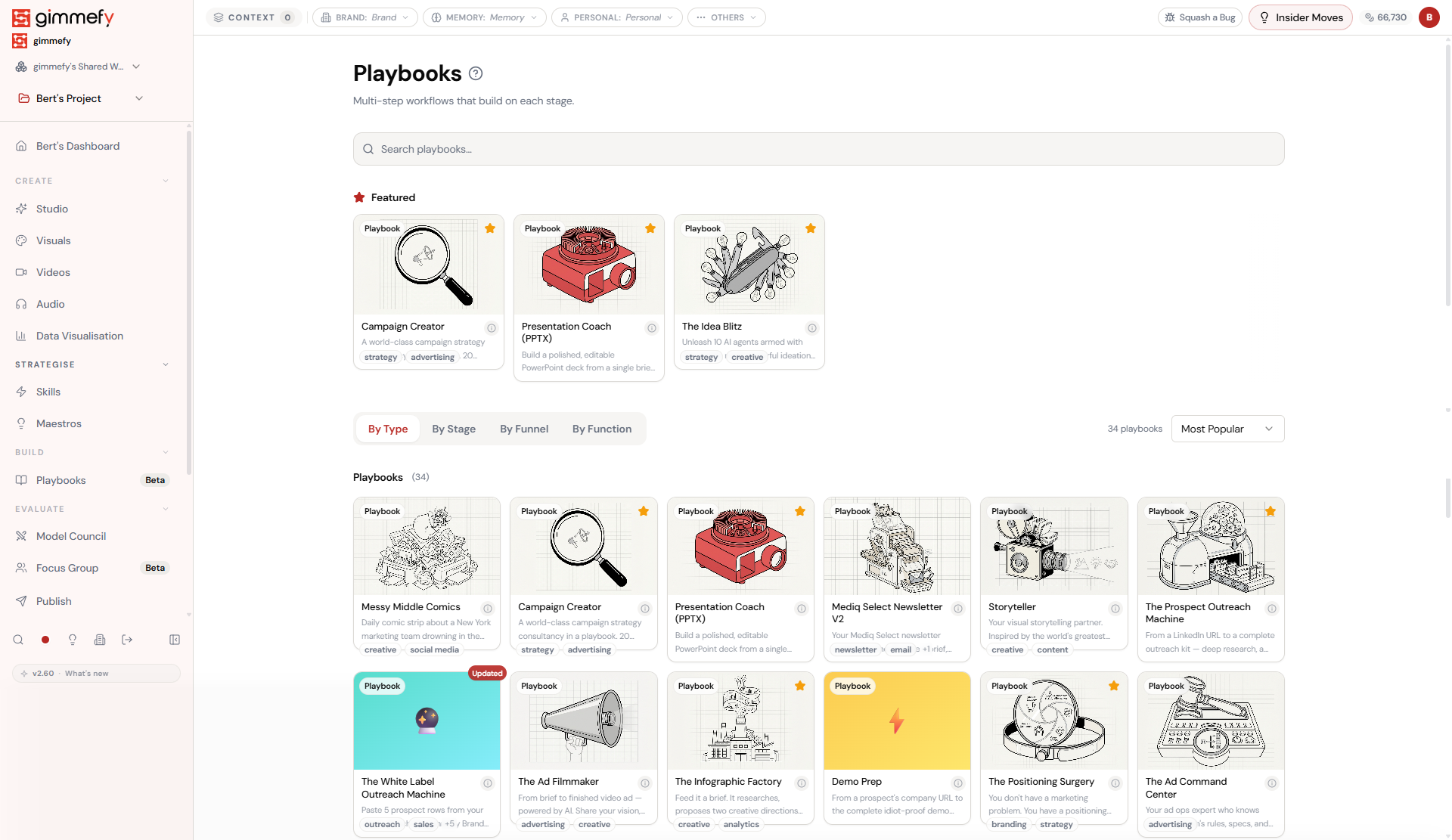
A campaign isn't one prompt — it's a pipeline. At every stage of a playbook you get the best consultant for that job, running on the best model for that task, loaded with your knowledge base. Up to 20 agents, working in sequence and in parallel.
"Premium pet wellness, SG: eight competitors mapped. The whitespace is clinical credibility × design taste — nobody owns both."
competitor map + whitespace call"For the Informed Parent who reads labels: restaurant-quality, veterinary-grade fresh food — optimised for lifespan, not shelf life."
positioning + audience + channel plan"Real food. For the real ones." — hero line, plus 12 headline alternates, scored against the brand voice.
hero copy + campaign concepts ×3
+ film · voiceover · banners
14 posts, 4 platforms, scheduled. Campaign pack compiled to one document. The brief was eleven words.
launch-week queue + campaign packThe week's work, before the second coffee.
28 playbooks in the library — or we encode your methodology as one.
This is how agencies turn their craft into a product.
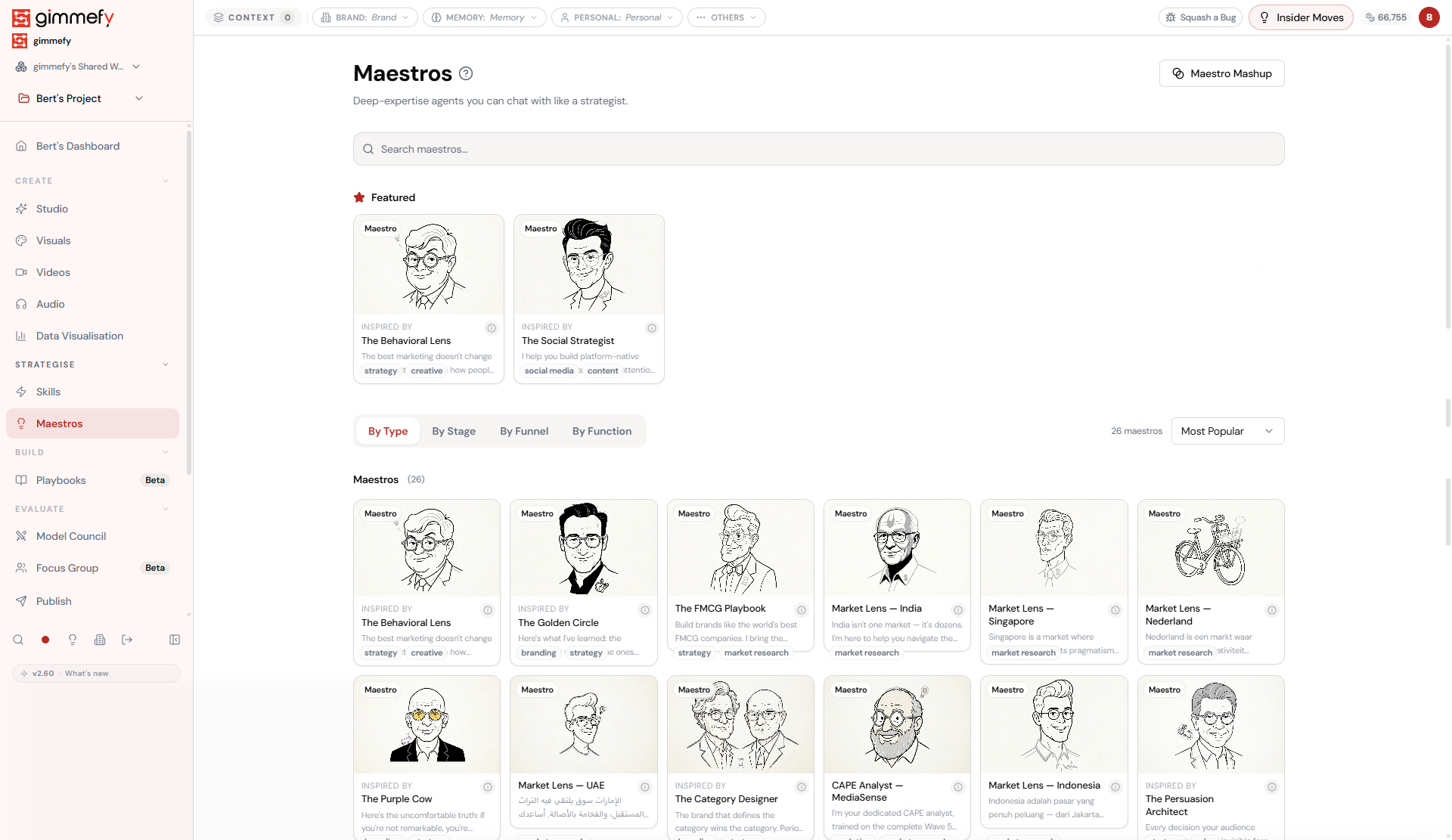
Each Skill recreates the experience of working with someone who spent their entire career getting good at exactly one thing — SEO strategy, GTM planning, conversion optimisation. And you can summon any of them mid-conversation, right inside Studio.
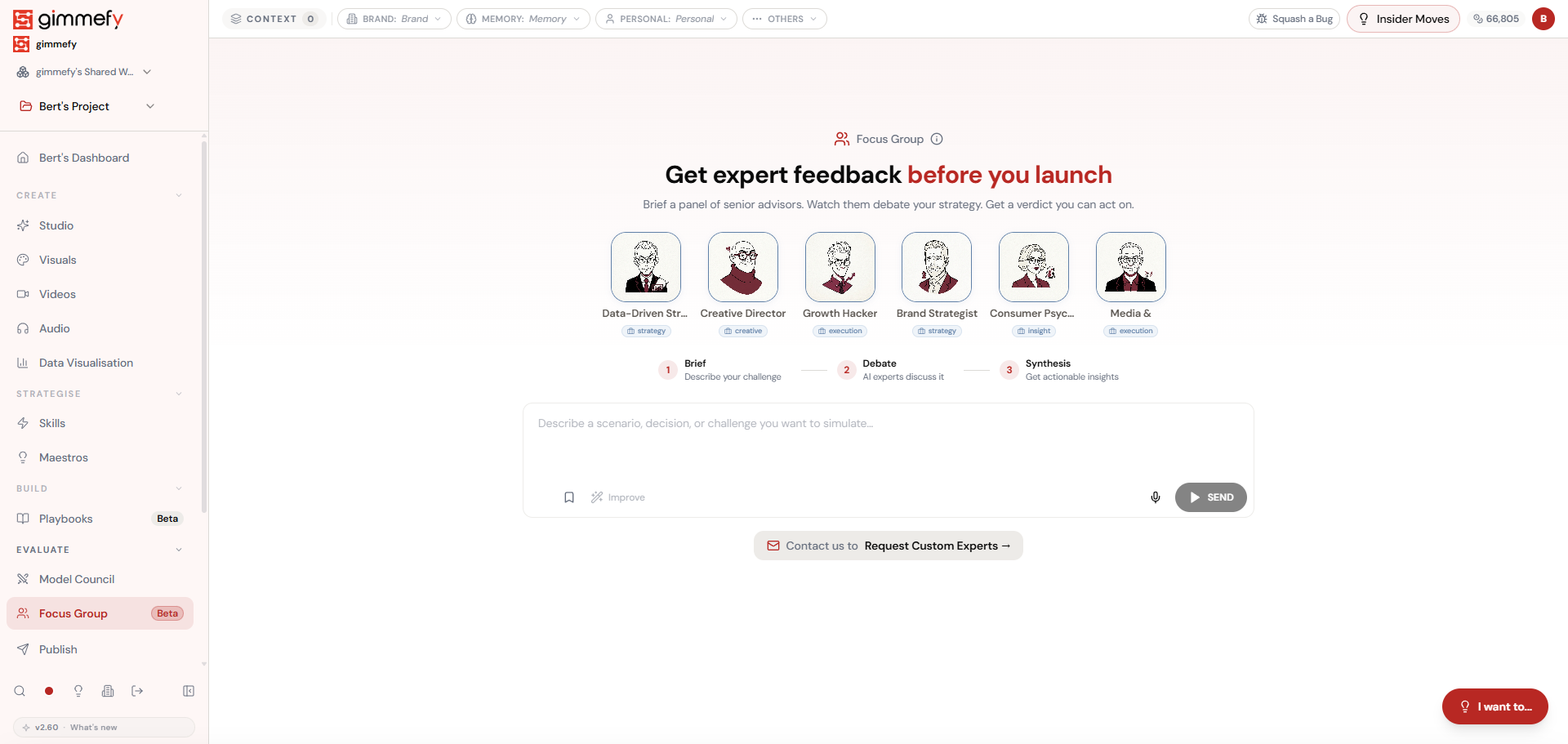
+ GTM PlanningEvery chat tool is one-to-one: you and a model. Model Council is one-to-many: you and five. Focus Group is many-to-many — multiple frontier-model experts debating each other, disagreeing, conceding, and converging on your problem. It's a room, not a chat box.
You, a model, and a lot of typing.
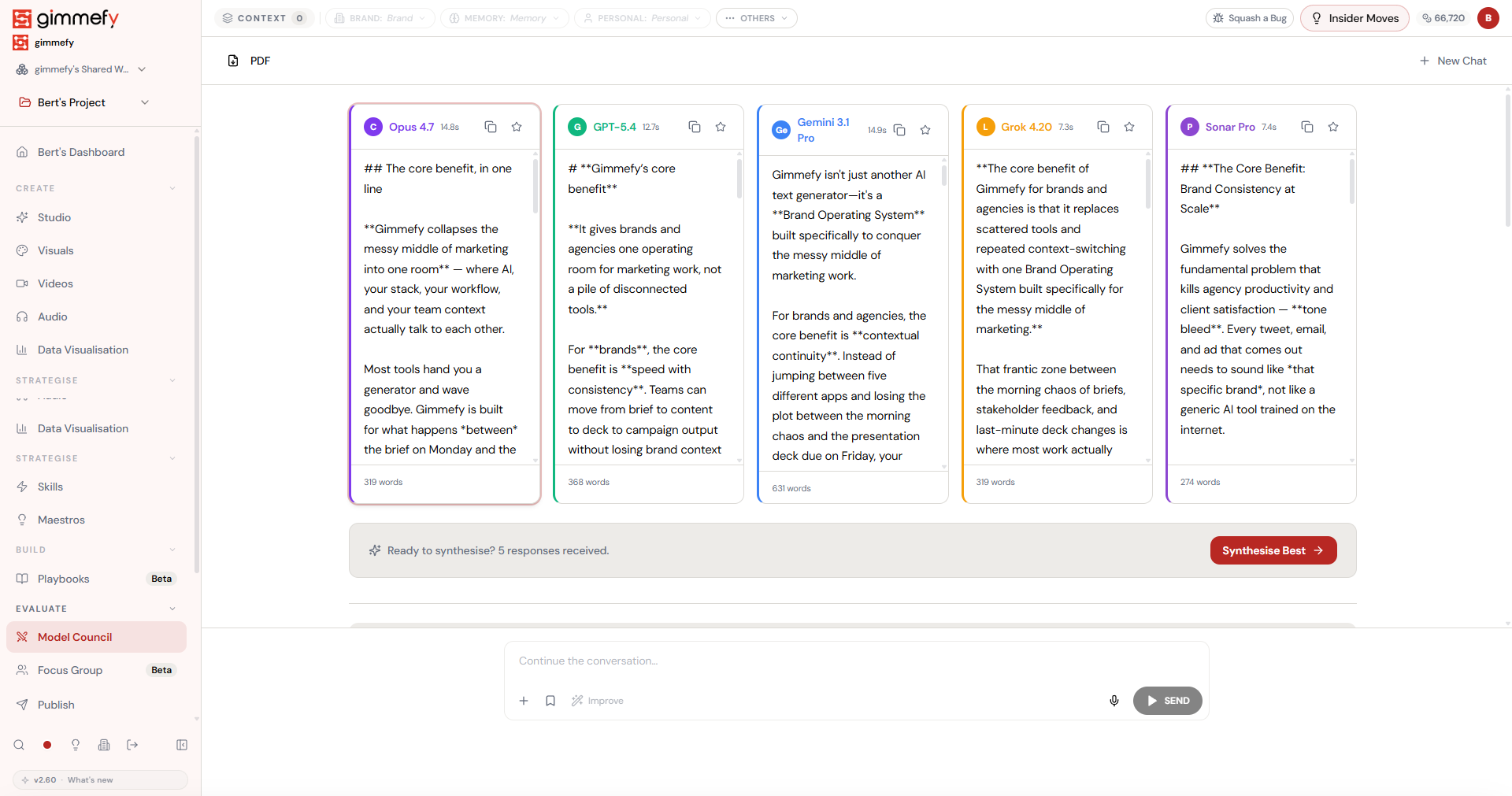
You ask once, five models answer.
Expert agents argue with each other — and you watch it converge.
Three reasons, and exactly what to test first — delivered as a structured report.
Different frontier models genuinely disagree — that's information. Model Council runs your question across five of them side by side, then a synthesis pass turns five opinions into one decision.
One positioning question, five frontier brains, one decision. That's the point of having all 48.
Scheduled straight from the playbook output. Zero copy-paste.
One playbook output became a LinkedIn long-form, an X thread, an Instagram caption and a conversational Facebook post — same intent, each one written the way that platform actually talks.
Your interns stop "adapting copy". The platform already did.
These are real fields from the real Licks & Rubs vault — down to which colour the ampersand is allowed to wear and the words the brand is never allowed to say. It fills once; every output in every capability arrives already on-brand.
 logolicks & rubs
Everything you just scrolled through can run under your brand — your logo, your colours, your domain, your prices. 30+ white-labelled properties across 8 categories. Partners are live on four continents.
The films, the brand, the debates, the campaigns — and this website — all made on gimmefy. Of course.
Real screens from the live platform — every one brand-aware, every one included.
B2B demand, strategic planning, events, comms, community, media, growth — the infrastructure doesn't care what shape your agency is. Each of these runs gimmefy under their own name, their own colours, their own prices.
Demand generation, ABM and pipeline work for technology brands. When their clients ask the AI question, the answer wears Marcus purple.
platform.marcus.agency — their name on the door →
Frontier took it furthest — they productised the platform as FrontierOS, their own branded operating system, sold as theirs. gimmefy is the engine room underneath.
platform.frontieros.com — a whole product →
A global network of senior strategists who answer briefs for the world's biggest brands. Their instance thinks before it makes — strategy capabilities first.
btdt on gimmefy — planning, platformed
Event management and brand experiences — an industry of deadlines measured in hours. Decks, visuals, schedules and campaign assets, generated at event speed.
tribeww.in →
An award-winning communications consultancy across Southeast Asia. Press releases, narratives and thought leadership — in every client's voice, never the machine's.
preciouscomms.com →A community-led outfit proving the model isn't just for classic agencies — culture-first marketing, run on the same four layers as everyone else here.
curativity.in →Performance and growth marketing — volume work where the margin math matters most. Usage pricing plus unlimited seats is the whole business case.
scale marketing, on gimmefyYour brand, your colours, your domain, your prices — a working version of the platform with your name on it, faster than you'd believe.
test drive your stack →Plus partners across Amsterdam, Australia, Europe and India — 5× ROAS within six months is the observed run-rate, not the brochure.
Thirty days, no fixed fee, no setup fee, no onboarding fee. Bring the team and put real work through it.